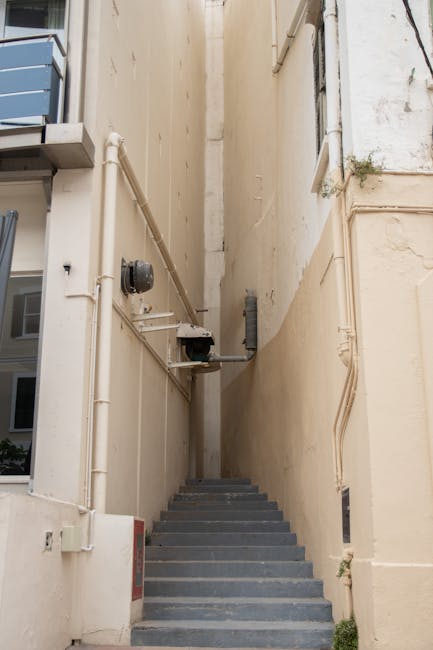
Stairs & Narrow Landings in Seven Sisters Flats: Safe Moves
If you have ever tried to turn a wardrobe on a half-landing, or carried a sofa up a stairwell that suddenly feels one inch too tight, you already know the problem: moving in Seven Sisters flats is rarely about strength alone. It is about angles, pacing, planning, and not rushing when the building gives you very little room to work with. Stairs & Narrow Landings in Seven Sisters Flats: Safe Moves is really about making those awkward spaces manageable without damage, stress, or unnecessary risk. In this guide, we will break down what works, what does not, and how to approach flat moves with a calm head and a practical plan.
Seven Sisters has plenty of homes where access is the real challenge. Older conversions, compact staircases, split-level landings, tight turns, shared entrances, and busy roads all shape how a move needs to be done. The good news? With the right prep, the right equipment, and a realistic view of what can fit where, a difficult move can become a controlled one. Not glamorous, perhaps. But safe. And that is what matters.
Why Stairs & Narrow Landings in Seven Sisters Flats: Safe Moves Matters
In a flat move, access problems are often the difference between a smooth day and a messy one. A narrow staircase can force a sofa to tilt awkwardly, a landing can leave no space to pivot, and a sharp corner can make a mattress feel bigger than it looked in the hallway. In Seven Sisters, where many properties have compact internal layouts, these challenges show up constantly.
The risk is not only scratched walls or chipped banisters. It is also strain on backs, hands, knees, and shoulders. One bad lift on a tight turn can throw off the whole day. And once people start improvising, the move gets slower, noisier, and much more tiring. To be fair, you can usually hear trouble before you see it: scraping cardboard, a deep breath, then that awkward silence when everyone realises the item is wedged halfway up the stairs.
This is why safe moving matters. It protects people first, then the property, then the furniture. It also reduces delays, which is especially useful when you have neighbours, a lift booking, parking restrictions, or a tight key handover. In our experience, the best moves in compact flats are rarely the fastest at the start. They are the ones that are planned properly from the beginning.
For readers handling more than one bulky item, related planning advice can also help. You may find it useful to look at strategic packing for a less stressful move and safer approaches to heavy lifting before the big day.
How Stairs & Narrow Landings in Seven Sisters Flats: Safe Moves Works
The process is simple in theory and fiddly in practice. Safe moving through stairs and narrow landings relies on four things: measuring, sequencing, protection, and control. If any one of those slips, the whole job becomes harder than it needs to be.
1. Measure the route, not just the item
People often measure the sofa or bed and stop there. That is only half the job. You also need to check stair width, landing depth, ceiling height near the turn, doorway clearance, and handrail positions. A few centimetres matter. A lot, actually.
2. Decide the movement path before lifting
The route should be agreed in advance. Which item comes first? Where will it pause if you need a reset? Is there a landing where two movers can safely turn without blocking the entrance? A clear sequence prevents that slow, panicked "wait, let's try it the other way" moment.
3. Protect the building and the item
Wall covers, corner protectors, quilt blankets, and wrapping materials are not extras. They reduce the chance of damage on tight turns. Stair edges, banisters, and door frames all take a beating during awkward moves, especially if the item has awkward weight distribution, like a wardrobe with a mirrored door or a mattress bent in the wrong place.
4. Use controlled lift-and-shift technique
The goal is not brute force. It is balance. Movers need a stable grip, a shared rhythm, and a calm pace. Small pauses at landings are normal. In fact, they are wise. A quick reset can prevent a big mistake. Many experienced movers will angle the object, shift hands, and re-centre before continuing. That is the sort of thing that looks simple from the outside, but it is exactly what keeps the move under control.
For items with unusual weight, shape, or fragility, you may also want to read more about the principles behind kinetic lifting techniques and why they reduce strain during awkward manoeuvres.
Key Benefits and Practical Advantages
Safe moving in tight-access flats is not just about avoiding accidents. It gives you a cleaner, calmer move overall. The benefits show up in ways people do not always expect.
- Less risk of damage: Protects walls, floors, banisters, doors, and the furniture itself.
- Reduced physical strain: Good technique lowers the chance of back, shoulder, and wrist injuries.
- Fewer delays: When everyone knows the plan, items move more efficiently through difficult areas.
- Better teamwork: Clear roles and pacing make it easier for movers to coordinate on the stairs.
- More confidence on the day: The move feels less chaotic when the access challenge has already been thought through.
There is also a psychological benefit. That sounds a bit grand, maybe, but it is true. Once you know a big item will fit through the stairwell safely, the rest of the move feels easier. People stop guessing and start following the plan.
This matters even more when the rest of the move is already complicated. For example, if you are also sorting boxes, cleaning out cupboards, and deciding what to keep in storage, the stair access problem should not be left until the last minute. A compact flat move is a chain; one weak link slows the whole thing down. If you need help with decluttering first, this decluttering guide is a useful companion.
Who This Is For and When It Makes Sense
This approach is for anyone moving in or out of a flat where stairs or narrow landings are part of the route. That includes tenants, landlords arranging a turnover, students moving between term-time homes, families downsizing, and anyone dealing with older London properties where internal access was never designed for modern furniture sizes.
It is especially relevant if you are moving:
- large sofas, sectionals, or corner units
- beds, mattresses, or bed bases
- wardrobes, bookcases, or tall cabinets
- exercise equipment
- pianos or other heavy specialist items
- office furniture and filing units
It also makes sense when you are doing a same-day turnaround, because time pressure tends to make tight spaces feel even tighter. If the building has no lift, a narrow staircase, and a landing that barely fits a person standing still, then this is not a "just wing it" situation. Honestly, that rarely ends well.
For more local moving context, the articles on navigating narrow streets in Seven Sisters and moving between Ferry Lane and Bruce Grove give a sense of how access and route planning affect the whole job, not just the final lift.
Step-by-Step Guidance
If you want to move safely through stairs and narrow landings, a structured process helps more than any amount of optimism. Here is the practical version.
- Survey the staircase in daylight. Natural light makes it easier to spot awkward corners, low ceilings, protruding fixtures, and worn stair edges.
- Measure the largest items and the tightest points. Focus on width, height, and the turning space at each landing.
- Clear the route fully. Remove loose shoes, mats, plants, pictures, bins, and anything else that might catch a foot or a corner.
- Protect surfaces. Use blankets, corner guards, and wraps where needed. It is a small effort that can save a lot of fuss later.
- Assign roles. One mover leads, one supports, and one calls the pace if needed. Too many voices on a staircase is a recipe for confusion.
- Test the angle before committing. Sometimes a sofa, fridge, or bed base needs to be turned vertically, then slightly rotated. Do not force it if the first angle clearly fails.
- Pause on landings, not on stairs. Landings are where you reset grip and stance. Stairs are for moving, not standing around.
- Move slowly through the turn. This is usually the hardest part. Take your time. No heroics.
- Recheck the item after the turn. If wrapping has shifted or a grip has loosened, stop and fix it.
- Finish with a careful unload. Tight access is not just about getting furniture up; getting it into the right room without another scrape is part of the job too.
If you are packing as well as lifting, use sofa protection guidance and bed and mattress moving tips to reduce the chance of damage before the item even reaches the stairwell.
Expert Tips for Better Results
A few small habits make a big difference on difficult access jobs. They are simple, but they work.
Choose the right moving time
Early morning or a quieter part of the day is often best. If the stairwell is shared, fewer people moving in and out means less interruption. It also helps if you need to hold a door open or stage items briefly. The sound of a stairwell at 8 a.m. is very different from one at 5 p.m., and not in a poetic way.
Remove unnecessary packaging in advance
Bulky cardboard can actually make an item harder to manoeuvre. Sometimes items need to be wrapped for protection, but unnecessary outer packaging can add bulk. Keep protection, remove excess. Simple. Not always easy on the day, but worth doing.
Use stair-friendly carrying positions
Items often move better when tilted slightly, carried on edge, or held with one end elevated. That said, what works for a mattress will not work for a fridge. You need to match the method to the shape and weight balance of the item.
Think about shoes and grip
A good sole matters more than people think. Smooth trainers or unsuitable footwear can make a small slip feel much worse on a narrow landing. Better grip gives better control, especially when the load is heavy and your hands are partly blocked by padding or straps.
Use a calm call system
Simple commands like "stop", "lift", "turn", and "hold" reduce confusion. Fancy language is not needed. In fact, the simpler the better. On a stairwell, no one wants a team meeting.
For readers dealing with awkward solo lifting or unusually heavy items, the article on why pianos should not be moved solo is a good reminder that specialist items deserve specialist care.
Common Mistakes to Avoid
Most problems on stairs and narrow landings happen because someone underestimates the access, not because they are careless. Still, the same mistakes come up again and again.
- Skipping measurements: Guessing is the quickest way to get stuck halfway up.
- Trying to force a bad angle: If the turn does not work, stop and re-think it.
- Moving too fast: Speed creates wobble, and wobble creates damage.
- Not protecting walls: One careless scrape can leave a visible mark on paint or plaster.
- Poor communication: If the front and back lifters are not in sync, the item twists.
- Leaving clutter on the route: Even a small item on the floor can trip someone when visibility is poor.
- Using the wrong number of people: Too few movers is risky; too many can crowd the landing and make it harder to turn.
A less obvious mistake is forgetting that the stairwell itself can be the weak point, not just the item. Narrow walls, awkward railings, and sharp corners often decide whether a move succeeds. That is why access planning should start before the van arrives, not after the first box is already on the steps.
If you are trying to trim the load before moving day, see local bulky waste pickup options and the practical notes on spotting hidden fees in moving quotes. Fewer surprises, fewer headaches.
Tools, Resources and Recommendations
You do not need a warehouse of equipment, but a few good tools make tight-access moves much safer.
| Tool or resource | Why it helps | Best use case |
|---|---|---|
| Furniture blankets | Protects walls and furniture from scuffs and knocks | Sofas, wardrobes, bed frames |
| Stair runners or floor protection | Reduces slipping and surface damage | Shared hallways and narrow stairwells |
| Ratchet straps or lifting straps | Improves grip and load control | Heavy items with awkward balance |
| Corner protectors | Helps prevent chipped paint and cracked edges | Tight turns and hard landings |
| Basic measuring tape | Helps confirm access before moving day | Any flat move with large furniture |
| Strong gloves | Improves grip and protects hands | Repeated carrying or rough surfaces |
Sometimes the most useful resource is a proper moving plan. That sounds obvious, but most trouble comes from not having one. If you are still deciding what support you need, the services overview can help you understand how different moving support options fit different jobs. For larger furniture, the page on furniture removals in Seven Sisters is also worth a look.
And if your move involves storage between dates, storage in Seven Sisters can give you breathing room rather than forcing everything through a cramped stairwell on one stressful afternoon.
Law, Compliance, Standards, or Best Practice
For most residents, the main concern is not a legal technicality but safe, responsible moving practice. That said, there are a few important UK expectations worth keeping in mind.
Anyone carrying out removals professionally should work in a way that reflects sensible manual handling practice, proper risk awareness, and consideration for shared residential spaces. In plain English: do not create avoidable hazards, do not block common areas for longer than necessary, and do not lift in a way that puts people at needless risk.
If you are moving in a block of flats, it is also courteous to check building rules about lift booking, corridor protection, and moving hours. Some properties are relaxed, others are fussy, and a few are very, very particular. It saves trouble to ask first. The same goes for parking and access near the entrance, especially on busy Seven Sisters streets.
Professional movers should also carry appropriate insurance and follow internal safety procedures. For peace of mind, it is sensible to review a company's insurance and safety information and its health and safety policy. That is not red tape for the sake of it. It is what separates organised work from risky guesswork.
Where accessibility is concerned, the right approach should also respect people with mobility limitations, narrow shared spaces, and the general safety of neighbours using the same stairwell. Good practice is simply good manners with a safety hat on.
Options, Methods, or Comparison Table
Not every stair move needs the same level of support. The right method depends on the size of the furniture, the building layout, the time available, and the level of risk. Here is a simple comparison that may help.
| Method | Best for | Pros | Trade-offs |
|---|---|---|---|
| DIY with friends | Light to medium boxes, smaller items | Low cost, flexible timing | Higher risk if furniture is bulky or the staircase is tight |
| Man and van support | Mixed loads, medium-sized flat moves | Useful balance of cost and help | May still be limited for very large or specialist items |
| Full removals team | Large flats, multiple bulky items, difficult access | Better coordination, more equipment, safer handling | Usually costs more, but often saves time and damage |
| Storage-first move | Staged moves, delayed completion, overfull flats | Reduces pressure on the stair route | Requires an extra step and planning |
For many Seven Sisters flats, the middle ground works well: a clear packing plan, a good van, and a team that knows how to read a staircase before they commit to it. If the move includes a lot of boxes, packing supplies and boxes in Seven Sisters can make the load easier to handle from the start.
Case Study or Real-World Example
One recent flat move we can describe in broad terms involved a top-floor property with a steep internal staircase and a landing that turned sharply near the front room. Nothing dramatic on paper. In person, though, it was one of those spaces that makes you pause and stare for a second. The sofa was technically not huge, but the building made it feel like a larger problem.
The team measured the stair width, cleared the hallway, protected the banister, and decided on a tilted carry with a two-person lead. Before lifting, they checked the angle at the landing twice. Not because anyone was being fussy, but because the turn was the whole challenge. The sofa moved slowly, with a brief stop halfway where the front mover reset grip and the back mover changed hand position. A tiny pause, really. But that pause probably saved the wall from a scrape.
What stood out was not the physical effort. It was the discipline. No one rushed the turn. No one tried to "give it a go" from a bad angle. The item reached the flat without damage, and the hallway stayed clean. The resident later said the move felt calmer than expected, which is a pretty good sign on a job like that.
It also reinforced a simple point: when access is tight, planning is what makes the difference. Strength helps. Experience helps more. Calm helps most of all.
Practical Checklist
Use this checklist before you start moving through stairs and narrow landings in Seven Sisters flats.
- Measure the stair width, landing depth, and door openings
- Check whether the item can be turned safely before the move begins
- Clear the hallway, stairs, and landing of loose items
- Protect corners, banisters, and walls
- Confirm who is leading, supporting, and calling directions
- Wrap furniture with suitable blankets or covers
- Wear shoes with proper grip
- Pause on landings, not on the stairs
- Keep children, pets, and bystanders away from the route
- Have a backup plan if the item does not fit the first time
- Check whether storage or partial removal would reduce the load
- Review the moving plan before the van arrives
Expert summary: if you only remember one thing, make it this: measure first, lift second, and never force a tight turn when the route is clearly saying no. That one habit solves a lot of headaches.
If you are planning a bigger move rather than a single-item job, the guide on stress-free house moving may also help you sequence the wider job properly.
Get a free quote today and see how much you can save.
Conclusion
Stairs and narrow landings are not just an inconvenience in Seven Sisters flats; they shape the entire moving experience. Once you respect the layout, the move becomes easier to control, safer to manage, and much less frustrating. That is true whether you are moving a single sofa, a full bedroom set, or an entire flat's worth of furniture.
The best results usually come from simple habits: measure carefully, protect the route, use the right people, and keep the pace steady. Nothing flashy. Just practical, repeatable decisions that stop small problems becoming big ones. And if the job still looks awkward after that, that is not failure. It is just a sign that specialist help may be the smarter choice.
Move carefully, keep your bearings, and remember that a difficult stairwell is only difficult for as long as nobody plans around it properly. Once you do, it starts to feel a lot less intimidating.
Frequently Asked Questions
How do you move a sofa up narrow stairs in a flat?
Measure the staircase and landing first, then decide whether the sofa needs to be tilted, turned on edge, or carried by two or three people. Protect the walls and move slowly through each turn.
What is the safest way to handle a narrow landing during a move?
Pause on the landing, reset grip, and agree the next move before stepping forward. A landing should be used as a control point, not a place to rush through.
Can you move large furniture in Seven Sisters flats without damage?
Yes, often you can, but only if the route is measured properly and the item is wrapped and controlled. Some items will need specialist handling if the staircase is especially tight.
Do I need professional help for stairs and narrow landings?
If the furniture is bulky, valuable, heavy, or awkwardly shaped, professional help is usually the safer option. DIY can work for lighter items, but the risk rises quickly with size and weight.
What furniture is most difficult to move in compact stairwells?
Sofas, wardrobes, mattresses, bed frames, exercise equipment, and pianos tend to cause the most trouble. Their size or weight makes turns and landings much harder.
How can I protect my walls and banisters during the move?
Use blankets, corner guards, and proper wrapping where the item is likely to touch the walls. It is a small step, but it prevents a lot of scuffs and chipped paint.
Should I clear the stairwell before movers arrive?
Absolutely. Loose shoes, mats, and clutter can create trip hazards and slow down the move. A clear route is one of the simplest safety wins.
Is it better to move items early in the day?
Often, yes. Quieter times usually mean fewer people in shared spaces, less pressure on the route, and more room to work without interruption.
What if my furniture does not fit on the first try?
Stop, reset, and try a different angle only if the route still looks viable. Forcing it usually causes damage. If it clearly does not work, it may need specialist removal or temporary storage.
How do I know if storage might help with a difficult flat move?
If you have too many bulky items for one stair route, or the move needs to happen in stages, storage can reduce pressure and make the access problem easier to manage.
Are there local moving tips for Seven Sisters flats specifically?
Yes: check building access, allow extra time for parking and narrow roads, and plan around shared stairwells. Local access can be the real bottleneck, not the van journey itself.
Where can I get more help planning a difficult move?
Start with the relevant service and planning pages, then build from there based on your furniture, access, and timing. If you are unsure, it is usually best to ask before the moving day starts to get hectic.